
A solar system needs an inverter to turn the DC electricity from panels and batteries into the AC power your appliances use. Choosing the right type is the most important decision, and it is where many first-time buyers get confused. Off-grid, hybrid and grid-tie inverters are all sold as solar inverters, but they do very different jobs.
This hub brings together every solar and off-grid inverter we have reviewed, along with related kits. Use the top-rated table to build a shortlist, then open the full review for specs and buyer feedback. The guide below explains the main types in plain language so you can match the product to your situation.
Our top-rated picks
| Model | Power | Our rating |
|---|---|---|
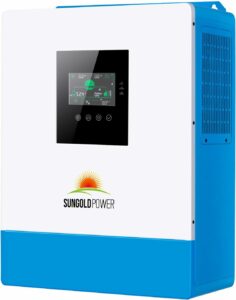
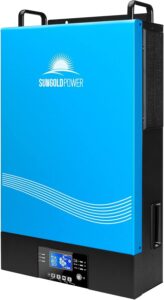
| SUNGOLDPOWER 6000W 48Vdc Hybrid Solar Inverter | 6,000W | ★★★★★ 4/5 |
| SGPWOSAY 5000W DC 48V Pure Sine Wave Solar Inverter | 5,000W | ★★★★★ 4/5 |
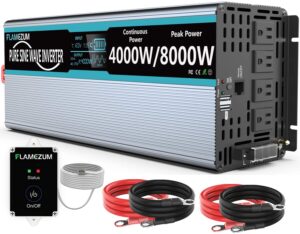
| FLAMEZUM Pure Sine Wave Power Inverter 4000Watt 12V DC to AC 110V 120V Peak Power 8000Watt with Remote Control 4 AC Outlets and Dual USB Port for CPAP RV Car Solar System Emergency | 4,000W | ★★★★★ 4/5 |
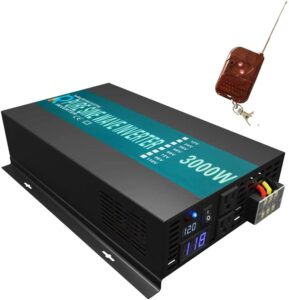
| WZRELB 24V Inverter | 3,000W | ★★★★★ 4/5 |
Ratings are our own scores based on the listed specs and verified buyer feedback.
The three main types of solar inverter
Off-grid inverters
Off-grid inverters run from a battery bank that is charged by solar panels. They are made for cabins, sheds, farms and homes with no mains supply. Many models include a built-in charge controller, which saves buying a separate one.
Hybrid inverters
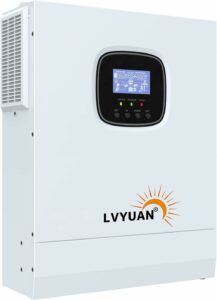
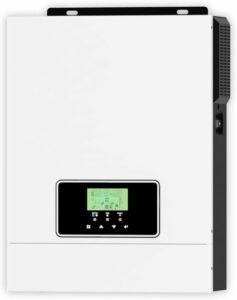
Hybrid inverters combine solar charging, battery storage and a mains connection in one unit. They can use solar power first, store extra in the battery, and fall back on the grid when needed. They are popular in areas with unreliable mains power.
Grid-tie inverters
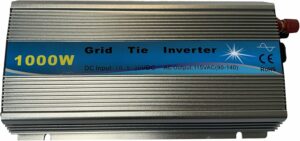
Grid-tie inverters send solar power into the mains supply and usually have no battery. They are efficient, but they are designed to shut down during a power cut for safety, so they will not keep your lights on in an outage unless paired with a battery system.
How to choose
Size the inverter to your loads
List the appliances you want to run, add their running watts and then allow for start-up surge from motors and compressors. Pick an inverter whose continuous rating covers the total, with a margin of 20 percent or so.
Match the battery and panel voltage
Check the battery voltage the inverter expects (12V, 24V or 48V), and the maximum panel input voltage and power. If you plan to expand later, a 24V or 48V system is easier to grow because the current stays lower.
Look for an MPPT charge controller
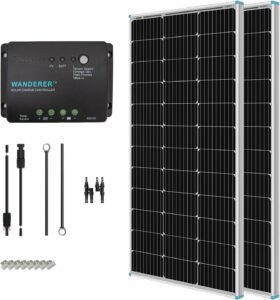
MPPT controllers extract more energy from panels than older PWM controllers, especially in cold weather or when panel voltage is higher than battery voltage. If the inverter has one built in, check its maximum amp and voltage rating.
Battery type
Check that the inverter supports your battery chemistry, such as lead-acid or lithium iron phosphate (LiFePO4), and that its charging settings can be adjusted. Using the wrong settings can shorten battery life.
Typical system sizes
| Use case | Typical load | Inverter size |
|---|---|---|
| Shed or small cabin (lights, phone, laptop) | 100–500W | 500W–1000W |
| Weekend cabin with fridge and TV | 500–1500W | 1500W–2000W |
| Small off-grid home essentials | 1500–3000W | 3000W–5000W |
| Larger home with pump and AC | 3000W+ | 5000W+ at 48V |
Wattages are typical figures. Always check the label on your own appliance.
Common mistakes to avoid
The first mistake is buying a grid-tie inverter for a battery system. The second is ignoring panel voltage limits, which can damage the charge controller. The third is undersizing the battery bank, so the inverter shuts off at night. Plan for how many hours of power you need after sunset, not just how many watts.
Off-grid and solar inverters

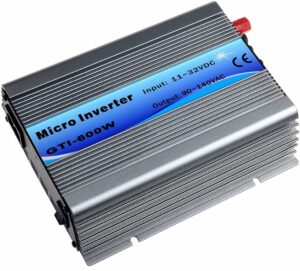
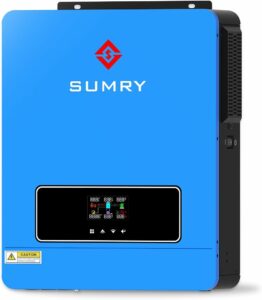
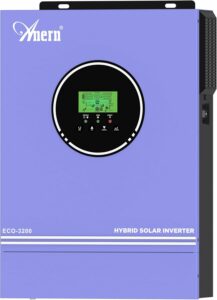
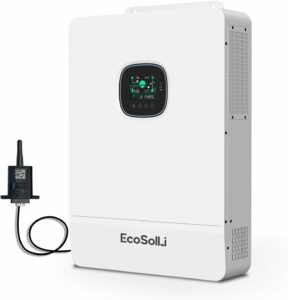
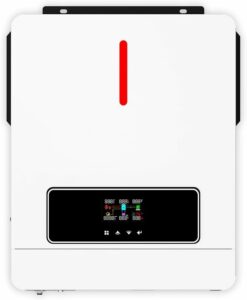
Hybrid solar inverters

Solar kits and chargers



Frequently asked questions
What is the difference between off-grid and hybrid inverters?
Off-grid inverters run only from batteries and solar. Hybrid inverters can also connect to the mains and switch between sources automatically.
Do I need a separate charge controller?
Many off-grid and hybrid inverters include one. Check the model’s specs for MPPT or PWM and its maximum panel voltage and current.
Will a grid-tie inverter work in a power cut?
Generally no. It is designed to shut down when the grid fails. A battery-based hybrid system is needed for backup power.
What size solar inverter do I need?
Add up the running watts of the appliances you want on at the same time, include surge, and add a margin. Our table gives rough starting points.
Can I add more panels later?
Usually yes, up to the inverter’s maximum panel power and voltage. Check those limits before you buy.