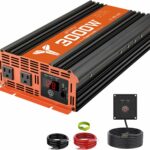
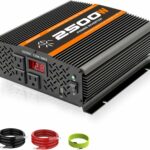
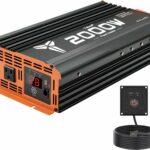
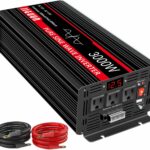
Comparing options? See our guide to the best small power inverters (300W–1000W).
Quick answer: The REDCVBN 600W 12V to 220V Inverter at a glance: converts DC to AC power; pure sine wave output. What buyers like: pure sine wave output; multiple voltage options — main complaint: uses battery power.

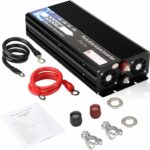
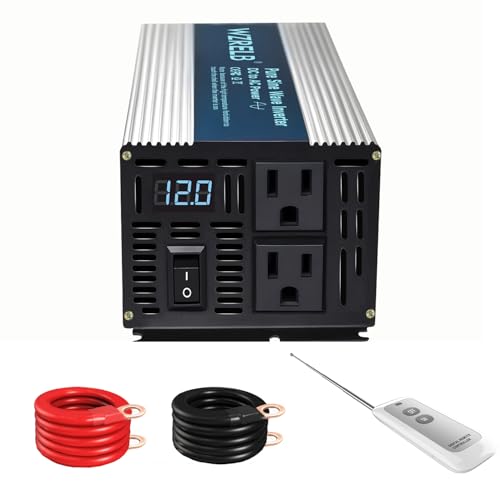
First, a look at the REDCVBN 600W 12V to 220V Inverter. The photo comes from the seller’s product page. It gives clean pure sine wave power.
The REDCVBN 600 watt 12 Volt to 220 Volt Inverter is like a helpful friend. It takes the power from your car battery. Then, it changes it into power your home uses. This means you can use your normal electronics in different places. Imagine charging your phone on a camping trip. Or powering small kitchen items in your RV. The REDCVBN 600 watt 12 Volt to 220 Volt Inverter makes this easy. It has AC sockets, just like at home. Plus, it has a handy LCD display. This screen shows you important information. You can see the input voltage and output voltage. It even shows the power being used. This feature helps you manage your power wisely.
This REDCVBN 600 watt 12 Volt to 220 Volt Inverter uses a pure sine wave. This is important for sensitive electronics. Some inverters use a modified sine wave. That kind of power can be rough. But pure sine wave power is smooth. It’s like the electricity from your wall socket. So, your devices run safely and efficiently. You can power things like laptops and speakers without worry. The inverter comes in different power strengths. You can choose from 600 watt up to 3000W. This lets you pick the right size for your needs. Whether it’s a small emergency backup or a longer trip, there’s a REDCVBN inverter for you.
Setting up the REDCVBN 600 watt 12 Volt to 220 Volt Inverter is simple. You connect it to your 12 Volt battery. It’s quick, and you can be up and running in seconds. The front of the inverter has the AC outlets. This makes it easy to plug in your devices. It’s also built to be safe. It has protections against overload, over-voltage, and short circuits. So, you can feel secure using it. This inverter is a great item to have for travel. It’s also useful for camping and RV adventures. And it can even be a lifesaver during power outages at your place.
Key Features
– Converts DC to AC power
– Pure sine wave output
– Multiple DC input options
– AC output at 110 Volt or 230V
– Various power output models
– Built-in LCD display
– Includes AC sockets
– Ideal for travel and camping
– Suitable for RV and emergency use
– Offers multiple protections
This REDCVBN voltage converter changes electricity from batteries (like in cars or solar power) into the kind of electricity used in homes (110 Volt or 230V). It makes a clean and steady flow of power, shown on a screen. You can plug in regular appliances using the sockets. It comes in different power sizes and can work with various battery voltages. This device is useful for trips, camping, RVs, and when the power goes out, and it has safety features to protect your devices.
Pros and Cons
– Pure sine wave output
– Multiple voltage options
– LCD display included
– AC sockets provided
– Good for household use
– Useful for travel
– Suitable for camping
– Works in RVs
– Good for emergencies
– Multiple power ratings
– Uses battery power
– Limited power output
– Needs good wiring
– Can be expensive
– May have voltage drops
– Not for all devices
– Can drain battery fast
– Needs proper cooling
– Might have startup issues
This REDCVBN voltage converter changes power from batteries (12V, 24V, 48V, 60V, or 72V) to what your home appliances use (110 Volt or 230V). It gives a clean, pure sine wave output, which is good for sensitive electronics. It comes with an LCD screen to show information and AC outlets to plug things in. This device is useful at home, for travel, camping, in RVs, and during power outages because it lets you use battery power for your devices. However, it has limited power, needs proper wiring, can cost a bit, might have voltage drops, and isn’t suitable for all devices as it can drain the battery quickly and needs good cooling, sometimes having startup problems. Read more…

Also from the listing: the REDCVBN 600W 12V to 220V Inverter. A display shows its status.

Next, the REDCVBN 600W 12V to 220V Inverter again. This image is from the seller’s gallery. It has built-in protection against overload and overheating.

Here is another seller image of the REDCVBN 600W 12V to 220V Inverter. It is rated for 600W on a 12V system.

One more image of the REDCVBN 600W 12V to 220V Inverter, taken from the product listing. It gives clean pure sine wave power.
Meanwhile, the seller also shows the REDCVBN 600W 12V to 220V Inverter like this. A display shows its status.
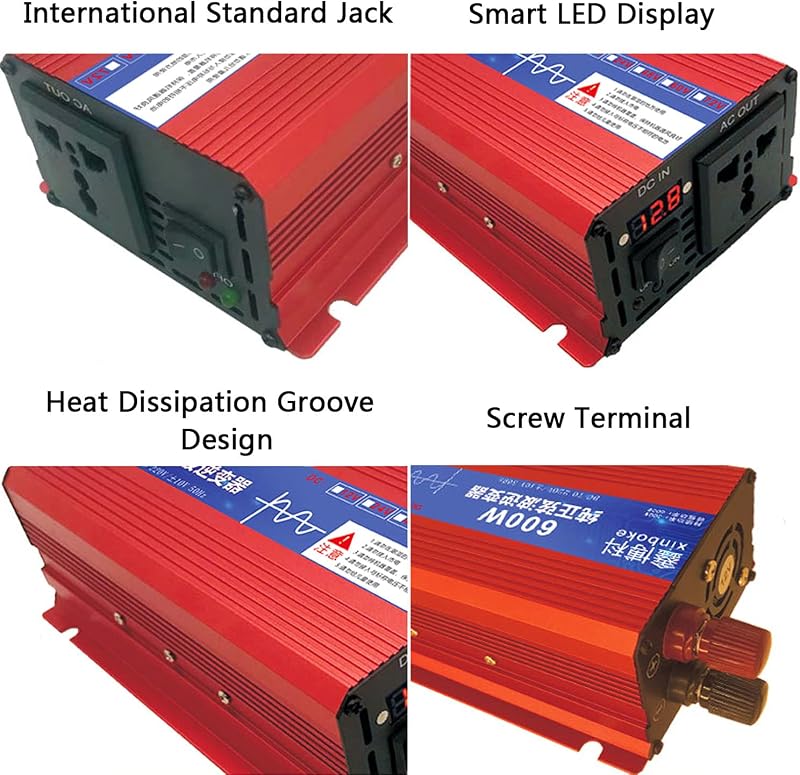
Then, another picture of the REDCVBN 600W 12V to 220V Inverter from the listing. It has built-in protection against overload and overheating.

Last, one more image of the REDCVBN 600W 12V to 220V Inverter from the listing. It is rated for 600W on a 12V system.
The Short Version
REDCVBN 600W 12V to 220V Inverter bottom line. Plus points: pure sine wave output; multiple voltage options; LCD display included. Minus points: uses battery power; limited power output; needs good wiring. It looks like a reasonable pick if the downsides are not deal-breakers. To compare, our Vector 500W inverter review is a good next read.
Frequently Asked Questions
What are the main specs of the REDCVBN 600W 12V to 220V Inverter?
According to the product details: converts DC to AC power; pure sine wave output; multiple DC input options; AC output at 110 Volt or 230V.
Should I buy the REDCVBN 600W 12V to 220V Inverter?
Most buyers are positive. What they like: pure sine wave output; multiple voltage options. Drawbacks reported: uses battery power; limited power output. Check these against your own needs before buying. If you are still comparing options, the PowMr 500W inverter is also worth a look.
What are the pros of the REDCVBN 600W 12V to 220V Inverter?
Buyers most often mention: pure sine wave output; multiple voltage options; LCD display included.
What are the downsides of the REDCVBN 600W 12V to 220V Inverter?
The main complaints: uses battery power; limited power output. A few other issues were mentioned as well.
Who should buy the REDCVBN 600W 12V to 220V Inverter?
It fits buyers who care about the positives (pure sine wave output; multiple voltage options) and can live with the main drawback (uses battery power). Shoppers who need less power may prefer the FOVAL 600W inverter.
More reviews you may like
- WonVon 1500W Car Power Inverter (12V to 220V)
- BieiFAU 600W Car Power Inverter 12V to 110V
- Should You Buy the FOVAL 600W Power Inverter
- Y&H Grid Tie Inverter 600W