
Comparing options? See our guide to the best heavy-duty power inverters (3000W and above).
Quick answer: The WZRELB 5000W 48V Pure Sine Wave Inverter is a power inverter in the 5000W range. The 15ft cable length provides flexibility for remote installation, making it suitable for both indoor and outdoor use.

The WZRELB 5000W 48V Pure Sine Wave Inverter is a versatile power solution designed to convert 48V DC battery power into 120V/240V AC power, ideal for various applications. Whether you’re powering essential appliances like refrigerators, TVs, or even high-power tools, this inverter ensures stable and clean AC power.
The inverter’s user-friendly LCD remote panel allows for easy monitoring and control, while its robust construction and advanced circuitry protect against potential issues like short circuits and overloads. The 15ft cable length provides flexibility for remote installation, making it suitable for both indoor and outdoor use.
With its ability to handle 10KW surge power, this inverter is perfect for powering demanding appliances like air conditioners or electric heaters. It’s compatible with various battery sources, including solar panels and deep-cycle batteries, making it a great choice for off-grid systems. Read more…
Quick Summary
The WZRELB 5000W 48V Pure Sine Wave Inverter is a versatile power solution designed to convert 48V DC battery power into 120V/240V AC power, ideal for various applications. The inverter’s user-friendly LCD remote panel allows for easy monitoring and control, while its robust construction and advanced circuitry protect against potential issues like short circuits and overloads.
What a 5000W, 48V inverter can run
The listing describes a 5000W pure sine wave inverter that converts 48V DC battery power into 120V and 240V AC, with an LCD remote panel and a 15 ft cable for remote installation. At full load, 5000W on a 48V bank draws roughly 105 to 115 amps, so heavy cable, proper fusing and a bank that can supply that current are essential. Having 240V output as well as 120V means it can feed 240V loads such as a well pump or a larger tool, but motor loads start with a surge, so compare each appliance’s startup watts with the inverter’s surge rating before connecting it.
Who it suits, and who should skip it
It suits off-grid homes and workshops that already run a 48V battery system and want both 120V and 240V circuits. Skip it if your system is 12V or 24V, or if you only need to run a few small loads, since a unit this size has a higher standby draw than a small one.
Frequently Asked Questions
What is the WZRELB 5000W 48V Pure Sine Wave Inverter?
The WZRELB 5000W 48V Pure Sine Wave Inverter is a power inverter. The 15ft cable length provides flexibility for remote installation, making it suitable for both indoor and outdoor use.
What are the main features of the WZRELB 5000W 48V Pure Sine Wave Inverter?
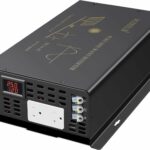
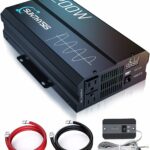
The key specifications and features are listed in the review above, including the details shown on the product images. Check them against what you need before buying.
Who is the WZRELB 5000W 48V Pure Sine Wave Inverter best for?
It suits shoppers who need a power inverter around the 5000W mark. Compare its specifications with your devices and setup to confirm it is the right fit.
How do you set up the WZRELB 5000W 48V Pure Sine Wave Inverter?
Follow the instructions supplied with the product. The Amazon listing, linked by the View on Amazon button at the top, shows what is included in the box and what you need to connect it.
Where can I buy the WZRELB 5000W 48V Pure Sine Wave Inverter?
The View on Amazon button at the top of this page links to the current listing, where you can see the latest price, availability and customer reviews.
Related Posts






Editor's note · Nov 2026
Some practical advice. Use thick, short cables between the battery and the inverter. Thin cables waste power and can overheat. Keep a steady load under 4000 watts on a 5000W inverter. That leaves headroom and keeps it cooler. Motors and compressors pull extra power at start. Check the surge rating, not only the 5000W label. Test it with a small load first. Then move up to your real devices. Look at the USB ports. Some only give slow charging. Check the input voltage matches your battery. A 12V unit on a 24V bank will fail at once. To plan your setup, try our battery runtime calculator.


